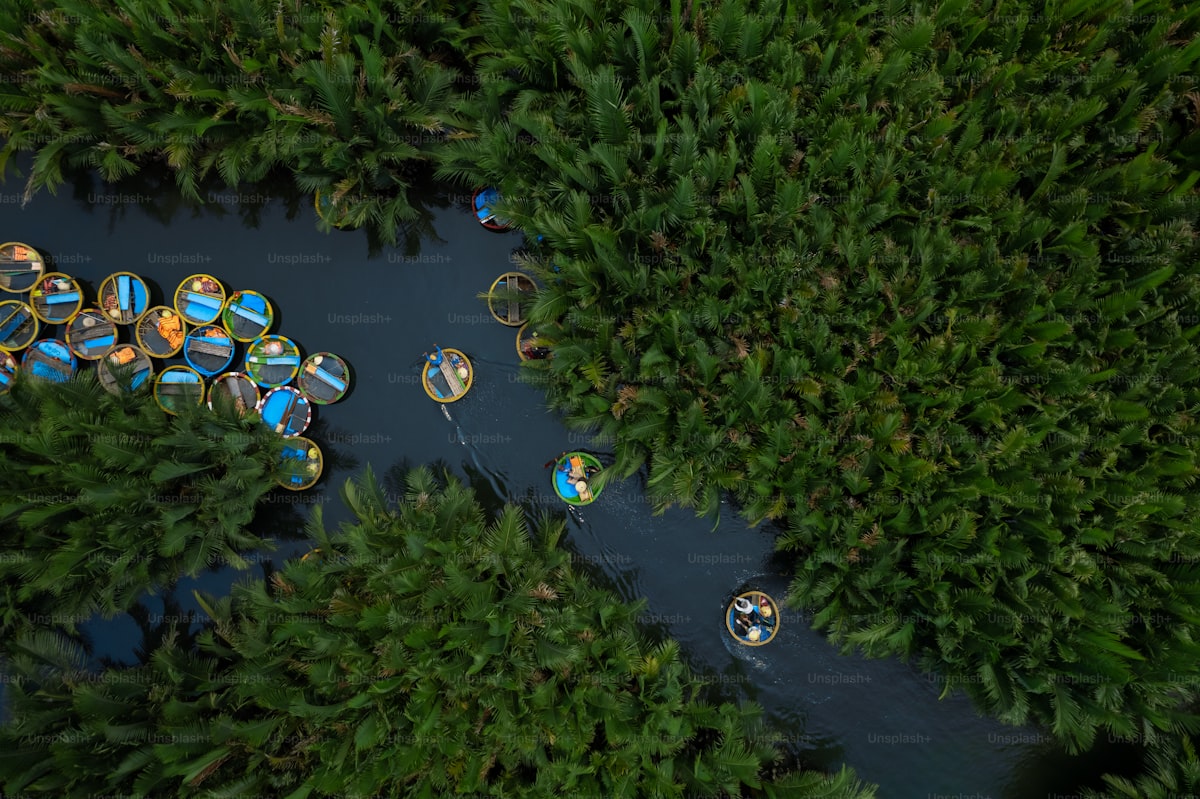
The first thing that hits you at a nước mắm house in Phu Quoc isn't the sight — it's the smell. Rows of enormous wooden barrels line the open-air warehouse, and the whole place smells like the sea has been left to think about itself for a year. It's strong. It's not for everyone. And it's exactly why Phu Quoc's fish sauce is considered some of the best in the world.
I walked in expecting a quick five-minute tour and a gift shop. Instead, an older worker in rubber boots showed me the barrels one by one, tapping the wood, explaining how anchovies caught fresh off the island's coast get layered with salt inside these giant vats and left to ferment for at least twelve months, sometimes closer to eighteen.
Why Phu Quoc fish sauce is different
The island's fish sauce, labeled Nước Mắm Phú Quốc, actually has protected geographical indication status, similar to Champagne or Parmigiano-Reggiano — it can only carry that name if it's made on the island, from local anchovies, using traditional wooden-barrel fermentation. Mainland versions, often made faster with additives and shorter fermentation, taste noticeably thinner and sharper. Once you've smelled and tasted the real thing, the difference isn't subtle.
Wood barrels older than the family running them
Some of the barrels in these houses have been in continuous use for decades, seasoned by generations of fermentation. The family businesses that run them are often multi-generational, and the workers who tend the barrels — turning, checking, tasting — have usually done this since they were teenagers. It's slow, unglamorous work, and it's easy to forget that the small bottle on a restaurant table took a year of someone's patience to make.
Honestly, the smell can be a lot
I'll be straightforward about this: the fermentation warehouse smells intense, and if you're sensitive to strong odors, a few minutes inside is plenty. Some visitors love it as an authentic sensory experience; others find it overwhelming and want to leave within minutes. There's no shame in stepping back outside for air — the staff are used to it. It's worth going in anyway, even briefly, because nothing else on the island tells you as much about local life and craft.
What to actually do there
Most houses let you walk through for free or a small fee, and you can buy bottles directly at prices lower than what you'll find in souvenir shops near the beach. Look at the label for the aging time and protein content (higher "N" numbers mean stronger, more prized sauce) rather than just the prettiest bottle design. Bargaining is generally not expected here the way it is in markets — prices are fairly fixed.
If you want someone who actually knows which houses are still family-run versus which have become pure tour-bus stops, the local guides at Springuu are worth talking to — they're Vietnamese, they live here, and they know things that don't show up on any travel blog.
Frequently Asked Questions
Is the smell really that strong?
Yes — the fermentation warehouses have a powerful, pungent smell that some visitors find fascinating and others find overwhelming. If strong odors bother you, plan for a short visit rather than a long one.
Can I buy fish sauce directly at the production house?
Most houses sell bottles on-site, often at better prices than beach-area souvenir shops, though selection may be limited to what that particular family produces.
How long does real Phu Quoc fish sauce take to make?
Traditional fermentation generally takes at least twelve months, sometimes longer, in wooden barrels — much longer than mass-produced versions made elsewhere in Vietnam.
Is visiting a fish sauce house worth it if I'm only on Phu Quoc for a couple of days?
It's a short stop, usually under an hour, so it fits easily alongside beach time — just don't make it your only cultural stop on the island.